
Oregon Coverage · Free Quote Comparison
Commercial Ice Machines in Oregon — Buy, Lease & Rent
Tell us what your Oregon operation needs — daily ice volume, industry, and where the machine will live. We’ll route your request to commercial ice machine suppliers covering your area so you can compare priced options side-by-side instead of chasing quotes one supplier at a time.
No obligation. No purchase required. Suppliers respond within 24 hours.
|
10+ Years Matching Buyers & Suppliers |
50 States Served Nationwide |
24 hrs Typical Supplier Response Time |
Free No Cost & No Obligation |
Ice Demand Across Oregon
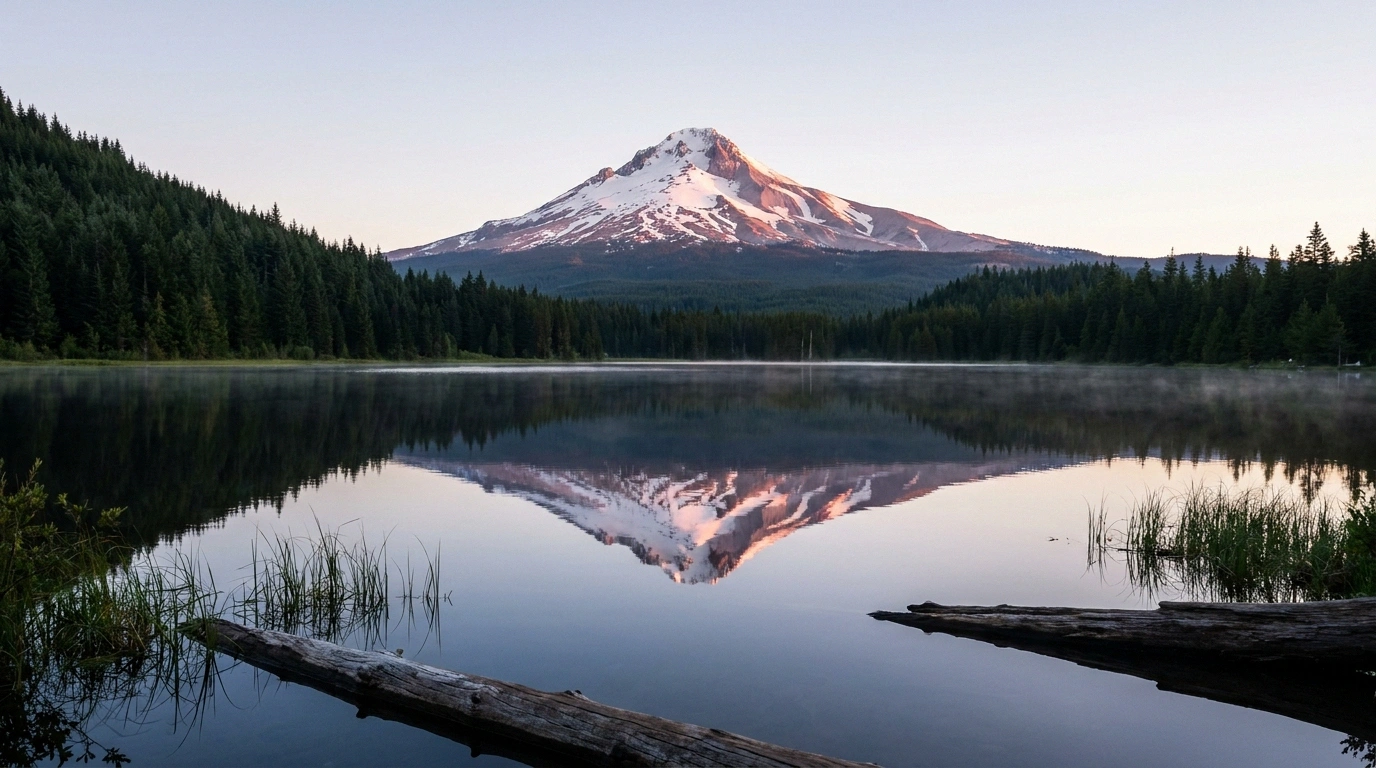
Oregon’s commercial ice demand draws from a deep foodservice base and several industry clusters that are unusually concentrated for a state its size. Bureau of Labor Statistics data for 2024 reports 9,685 restaurants and other eating places, 1,464 accommodation establishments, 158 hospitals, and 2,521 arts, entertainment, and recreation venues operating in the state — together employing more than 251,000 people across those four categories. Tourism layered heavily on top: Travel Oregon and Dean Runyan Associates reported $14.3 billion in 2024 direct travel spending, a record high, supporting 121,000 statewide tourism jobs and generating $691 million in state tax revenue. Two industry clusters anchor Oregon-specific demand vectors on top of that baseline. The Oregon craft brewing scene is one of the densest in the country — 307 craft breweries, 1.1 million barrels produced in 2024, 10.5 gallons per 21+ adult (#2 nationally) per the Brewers Association — concentrated in Portland and Bend with strong representation in Eugene, Hood River, and the coastal corridor. The Oregon Wine Board’s 2024 study put the state’s wine and wine-grape industry at $8.49 billion in total economic impact across 1,076 wineries and 1,537 planted vineyards, with the Willamette Valley accounting for 69% of planted vineyard acreage and a wine-tourism revenue stream of $860.9 million in 2024.
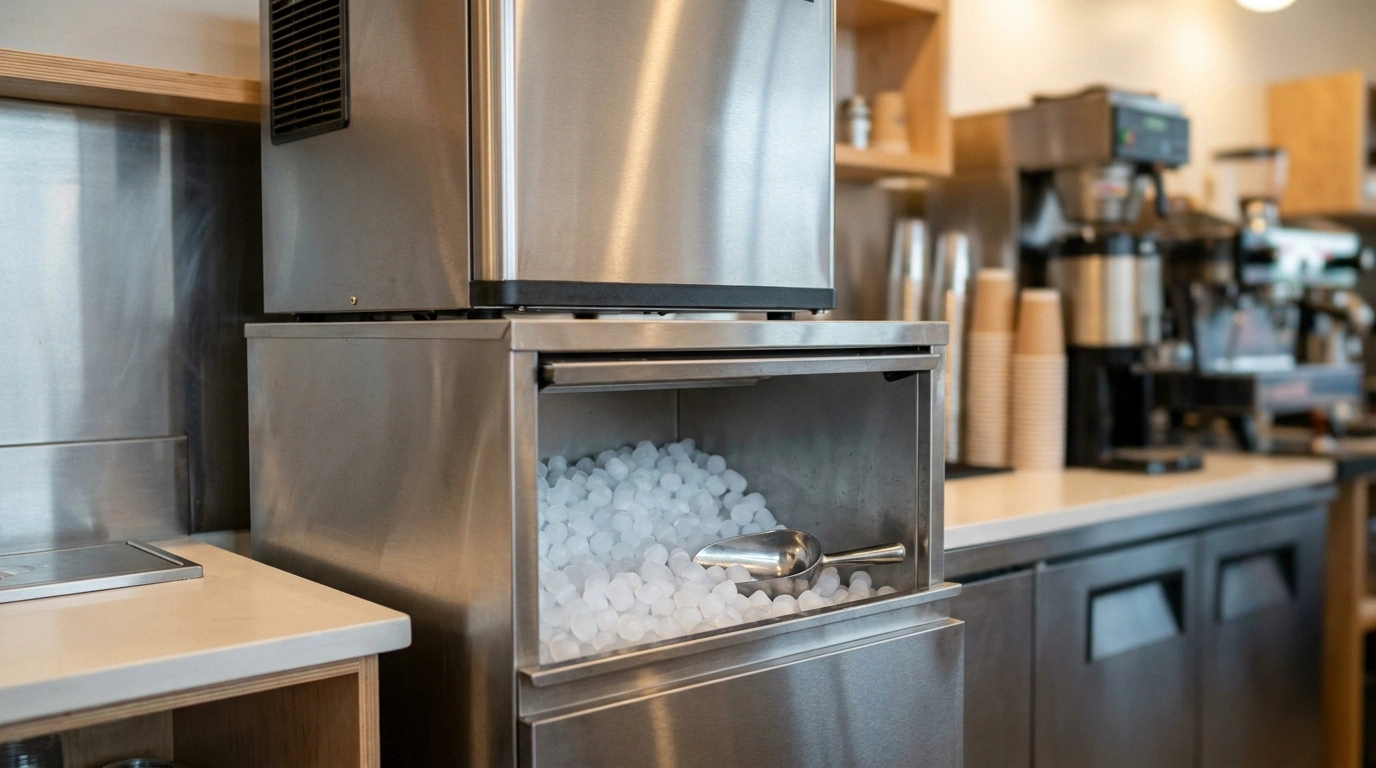
Oregon’s climate divides sharply along the Cascade Range, and that split changes how operators should think about ice machine selection. The Pacific coast runs cool marine — NOAA NCEI 1991-2020 normals put Astoria at a 67°F July average high, and coastal Oregon towns through Cannon Beach, Newport, Lincoln City, and Coos Bay run a similar profile. At those ambient temperatures, air-cooled commercial ice machines operate with substantial headroom year-round. The Willamette Valley sits one band inland: Portland at 82°F July average high, Salem at 84°F, Eugene at 84°F per the same NOAA normals — air-cooled stays within spec, with less summer headroom than the coast but typically no derate concern in conditioned interior spaces. East-of-Cascades and southern Oregon is a different machine. Bend (east-of-Cascades high desert) runs 84°F July average high, Pendleton 90°F, Klamath Falls 86°F, and Medford 92°F. For operators in those semi-arid and Rogue Valley interior cities — particularly in non-conditioned back-of-house spaces or kiosk-style installations — suppliers will often recommend water-cooled units, remote condenser configurations, or sizing the air-cooled machine up enough to absorb the summer derate. The marine-vs-interior split makes Oregon different from uniformly hot-summer states like California, Texas, or Arizona where the air-cooled vs water-cooled call is more straightforward.
Several additional Oregon-specific demand vectors are worth flagging when sizing equipment. The Portland metro corporate corridor — anchored by Intel (Hillsboro), Nike (Beaverton), Adidas North America (Portland), Daimler Trucks North America, and Columbia Sportswear — pulls steady Monday-to-Friday foodservice and corporate-cafeteria demand structurally different from the weekend-and-summer tourism peak. Three outdoor-recreation corridors layer seasonal peaks on top: the Mount Hood ski-and-summer resort cluster (Timberline Lodge, Mt Hood Meadows, Mt Hood Skibowl) and its gateway towns (Government Camp, Sandy, Hood River); the central Oregon high-desert recreation corridor anchored by Bend, Sisters, Sunriver, and the Cascade Lakes; and the Columbia River Gorge year-round corridor along I-84 (Multnomah Falls, Hood River, The Dalles) with windsurfing / kiteboarding peaks April through October. Crater Lake National Park anchors the southern Oregon tourism corridor through Klamath County and Jackson County. Coastal foodservice runs heavy summer demand (Memorial Day through Labor Day) plus a steady storm-watching shoulder season. Mention your peak-week volume, operating window, and the specific use case on the form so suppliers can spec equipment that fits the actual load curve, not the steady-state average.
Start Your Free Oregon Quote Comparison
Takes about 60 seconds. Tell us what you need and we’ll handle the supplier outreach.
How the Quote Match Works in Oregon
|
1. Tell us what you need Daily ice requirement, your industry, buy/lease/rent preference, and where in Oregon the machine will live. About 60 seconds. |
2. Oregon suppliers compete Your request goes to commercial ice machine suppliers serving your area. They respond with priced options matched to your need — typically within 24 hours. |
3. You pick the best fit Compare prices, terms, warranty, and delivery side-by-side. Choose the supplier that fits — or walk away. The service is free either way. |
Equipment from leading manufacturers
Hoshizaki · Manitowoc · Scotsman · Ice-O-Matic · Follett · Maxx Ice
Oregon Metros We Cover
Our supplier network covers commercial ice machine installs across Oregon — the Portland metro and the broader Multnomah / Washington / Clackamas county corridor (Beaverton, Hillsboro, Gresham, Tigard, Lake Oswego), the Willamette Valley (Salem, Eugene, Corvallis, Albany, Springfield, McMinnville, Newberg), the Pacific coast (Astoria, Cannon Beach, Tillamook, Newport, Lincoln City, Coos Bay), central Oregon (Bend, Redmond, Sisters, Sunriver), the Columbia River Gorge (Hood River, The Dalles), southern Oregon (Medford, Grants Pass, Ashland, Klamath Falls), and eastern Oregon (Pendleton, La Grande, Baker City). The page below has its own location-specific entry on Ice Maker Depot. If your location isn’t listed, enter your ZIP code in the form above and we’ll route your request to suppliers actively serving that area.
| Portland → |
Common Questions From Oregon Buyers
Does coastal versus east-of-Cascades climate change which type of ice machine I should buy in Oregon?
Yes. The Cascade Range splits Oregon into several operating bands for ice equipment. The Pacific coast (Astoria, Cannon Beach, Newport, Lincoln City, Coos Bay) runs cool marine — July average highs in the mid-to-high 60s per NOAA NCEI 1991-2020 normals — and air-cooled commercial ice machines operate with substantial headroom year-round. The Willamette Valley (Portland, Salem, Eugene, Corvallis, Hillsboro, Beaverton) runs marine-mild July highs in the low-to-mid 80s — air-cooled stays within spec with less summer headroom than the coast. East-of-Cascades and southern Oregon (Bend, Pendleton, Klamath Falls, Medford) runs semi-arid July highs in the mid-80s to low 90s; at those ambient temperatures in non-conditioned back-of-house spaces, suppliers will often recommend a water-cooled unit, a remote condenser, or sizing the air-cooled machine up to absorb the derate. Mention your location and the operating environment on the form so suppliers can spec accordingly.
Does the supplier network cover the full Oregon footprint — Willamette Valley metros, the coast, central Oregon, and southern Oregon?
Yes. The Oregon-side supplier network covers the full state. Service to Portland and the broader Multnomah / Washington / Clackamas county corridor (including Beaverton, Hillsboro, Gresham, Tigard, Lake Oswego); the Willamette Valley (Salem, Eugene, Corvallis, Albany, Springfield, McMinnville, Newberg); the coast (Astoria, Cannon Beach, Tillamook, Newport, Lincoln City, Coos Bay, Brookings); central Oregon (Bend, Redmond, Sisters, Sunriver); the Columbia River Gorge corridor (Hood River, The Dalles); southern Oregon (Medford, Grants Pass, Ashland, Klamath Falls); and eastern Oregon (Pendleton, La Grande, Baker City) all route through the same form. Enter your ZIP code and we’ll match you with suppliers actively serving that area.
What ice form factor works best for an Oregon craft brewery taproom, tasting room, or coffee bar?
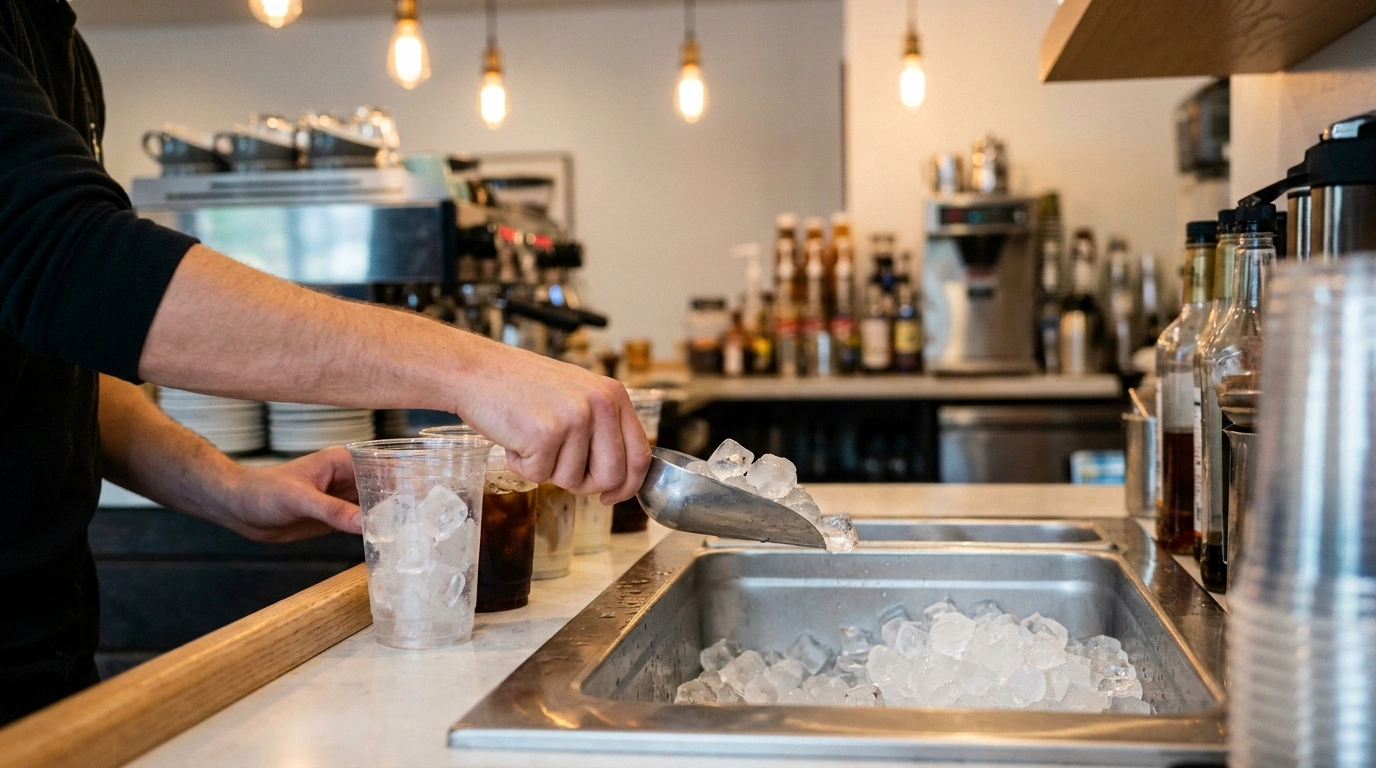
Most Oregon taprooms, Willamette Valley wine tasting rooms, and coffee bars run small-format ice — countertop or undercounter modular units — sized to a daily output that fits the rush window without taking up bar real estate. Cube ice for cocktails and N/A drinks, with a smaller flake or nugget reservoir for raw-bar / oyster service or paired-flight presentations, is a common spec. Brewery tour-and-flight rooms, multi-tap taprooms, and wine-country tasting bars often pair a head unit with a separate storage bin for surge weekends. Note your cup volume, peak-week traffic, and the operating window on the form so suppliers can match a configuration that fits the counter and the demand curve.
What about commercial ice machine repair or service in Oregon — is that part of the quote?
Ice Maker Depot connects buyers with suppliers for new and used equipment quotes, including lease and rental arrangements where ongoing service is bundled into the monthly payment. Standalone repair of an existing machine is not part of the quote-comparison service, but several Oregon-side suppliers sell equipment under service contracts that cover preventive maintenance, cleaning, and repair — note that in the form if you want suppliers who can wrap service into the deal.
Should you buy, lease, or rent a commercial ice machine?
It depends on how hard you run the machine and how you want to handle the cost. Buying tends to have the lowest long-run cost when a unit runs year-round and you can cover its own maintenance. Leasing spreads the cost into predictable monthly payments and often bundles service, repairs, and cleaning into the agreement — a common choice for restaurants and bars that want to preserve capital. Renting fits short-term, seasonal, or trial needs. Operating cost matters too: energy use, water use, and upkeep vary by machine type and by whether the unit is air-cooled or water-cooled. Tell us whether you want to buy, lease, or rent on the form and suppliers in Oregon will quote the options that fit, so you can compare side by side before deciding.
Is the quote service really free?
Yes. There is no charge to compare quotes through Ice Maker Depot. Suppliers pay us when they connect with new buyers — you never pay for the service or for the quotes themselves.
What if you are not sure what size machine you need?
Suppliers will help size the machine to your daily ice demand and the available space. If you are early in the process, our commercial ice maker buyer’s guide covers daily ice output by industry, undercounter vs modular tradeoffs, and water-cooled vs air-cooled selection — read it before you submit if you want a head start.
Ready to compare commercial ice machine quotes in Oregon?
Free service. No obligation. Typical response within 24 hours.