
Washington Coverage · Free Quote Comparison
Commercial Ice Machines in Washington — Buy, Lease & Rent
Tell us what your Washington operation needs — daily ice volume, industry, and where the machine will live. We’ll route your request to commercial ice machine suppliers covering your area so you can compare priced options side-by-side instead of chasing quotes one supplier at a time.
No obligation. No purchase required. Suppliers respond within 24 hours.
|
10+ Years Matching Buyers & Suppliers |
50 States Served Nationwide |
24 hrs Typical Supplier Response Time |
Free No Cost & No Obligation |
Ice Demand Across Washington
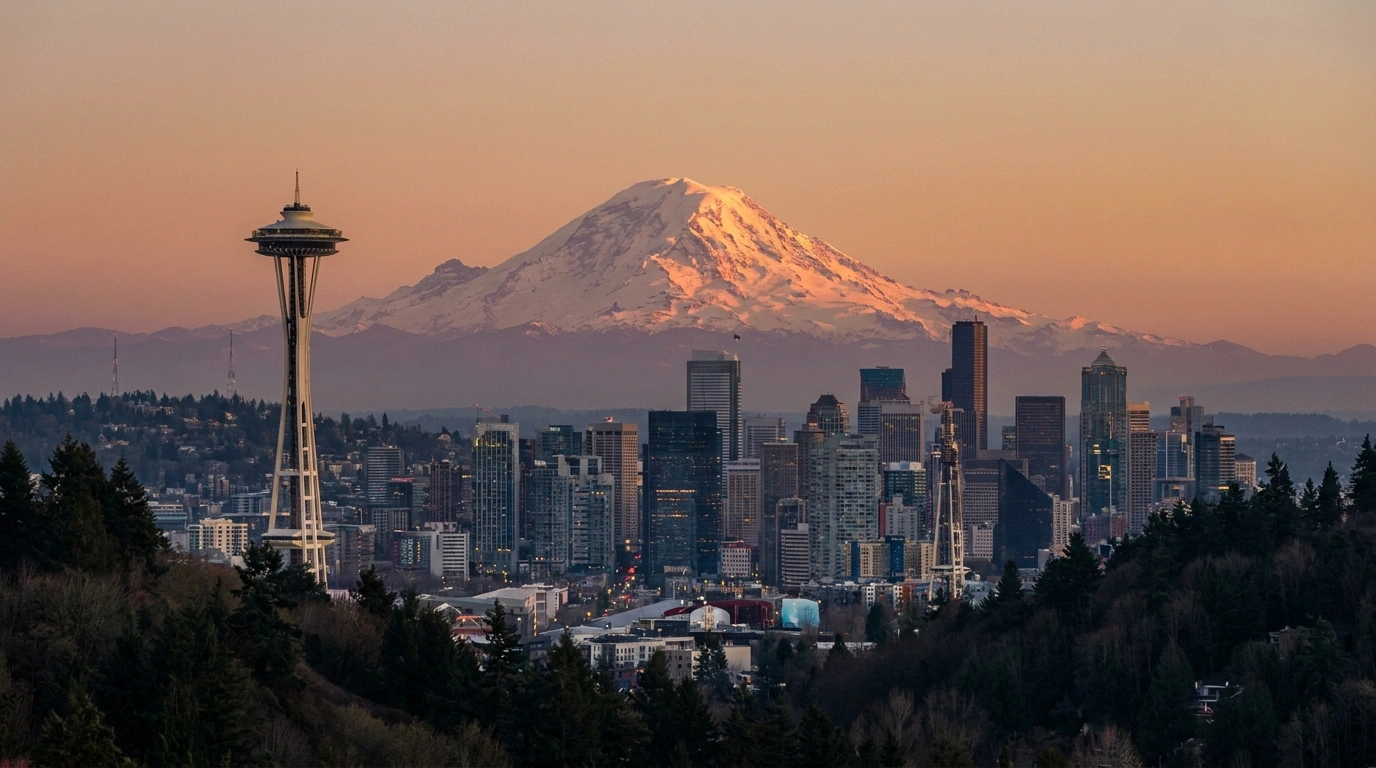
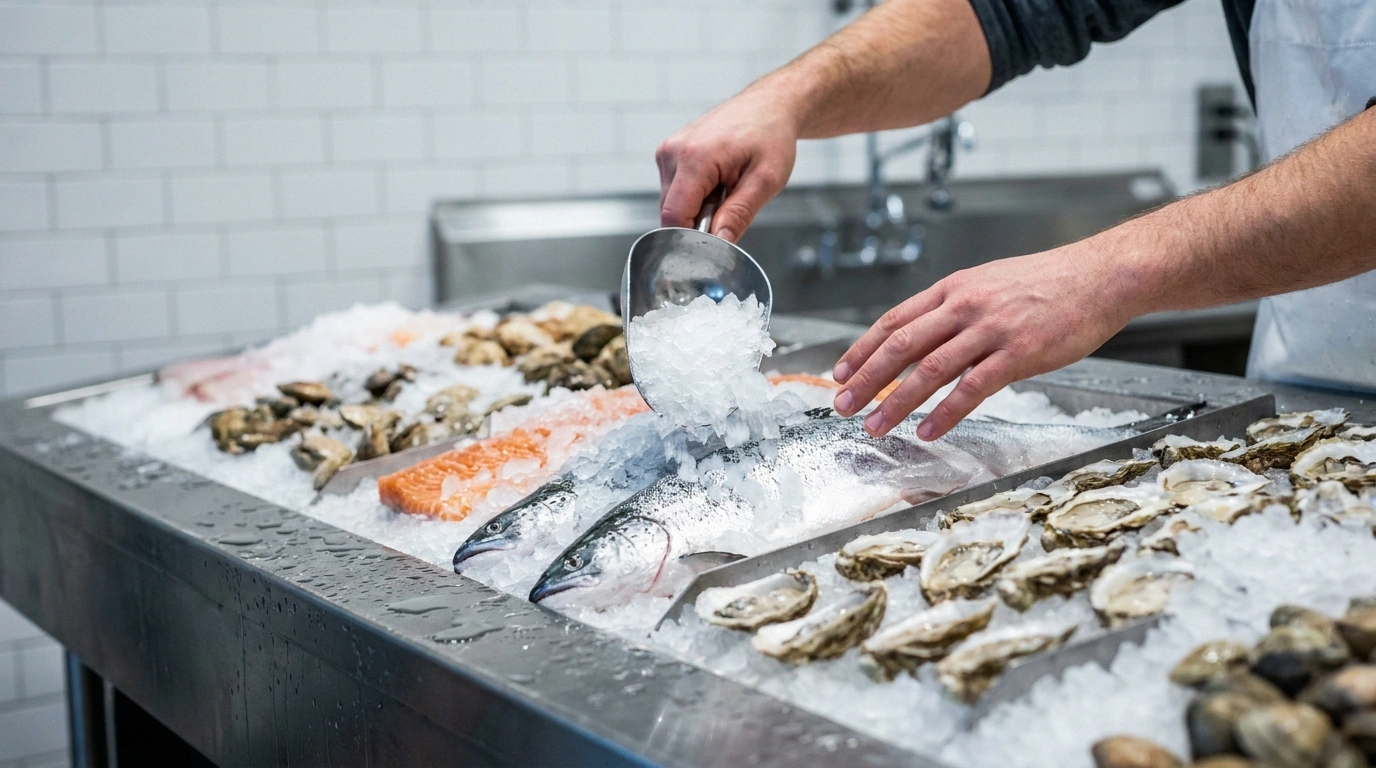
Washington’s commercial ice demand draws from a deep foodservice and hospitality base. Bureau of Labor Statistics data for 2024 reports 14,640 restaurants and other eating places, 1,538 accommodation establishments, 182 hospitals, and 3,374 arts, entertainment, and recreation venues operating in the state — together employing more than 408,000 people across those four categories. Tourism layers heavily on top: the State of Washington Tourism program reported $25.1 billion in 2024 visitor spending and 232,457 tourism-supported jobs, with 62,376 of those jobs in the food and beverage sector specifically. Seattle and King County led the growth at +6.8% year-over-year. The Port of Seattle estimated the 2024 Alaska cruise season at roughly $900 million in regional economic impact across 275 ship calls — a structural May-through-September demand spike for downtown foodservice, hotel banquets, and Pier 66 hospitality. Olympic National Park drew 3.71 million 2024 recreation visits per the National Park Service, and Mount Rainier drew 2,490,729 — both anchoring summer gateway-town foodservice corridors.
Washington’s climate divides sharply along the Cascade Range, and that split changes how operators should think about ice machine selection. Coastal Western Washington — Seattle, Tacoma, Bellevue, Olympia, Bellingham — runs a marine-mild summer. NOAA NCEI 1991-2020 normals put July average highs at 77°F in Seattle and Tacoma, 78°F in Olympia, and 73°F in Bellingham. At those ambient temperatures, air-cooled commercial ice machines perform within spec year-round without meaningful seasonal derate. East of the Cascades is a different machine. Spokane sits at 84°F July average high, Yakima and Walla Walla each at 90°F, and the Tri-Cities (Kennewick / Pasco / Richland) at 91°F per the same NOAA normals. For operators in those semi-arid interior cities, particularly in non-conditioned back-of-house spaces during the July-August peak, suppliers will often recommend water-cooled units, remote condenser configurations, or sizing the air-cooled machine up enough to absorb the derate. The east/west climate split makes Washington different from uniformly hot-summer states like California or Arizona where the air-cooled vs water-cooled call is more straightforward.
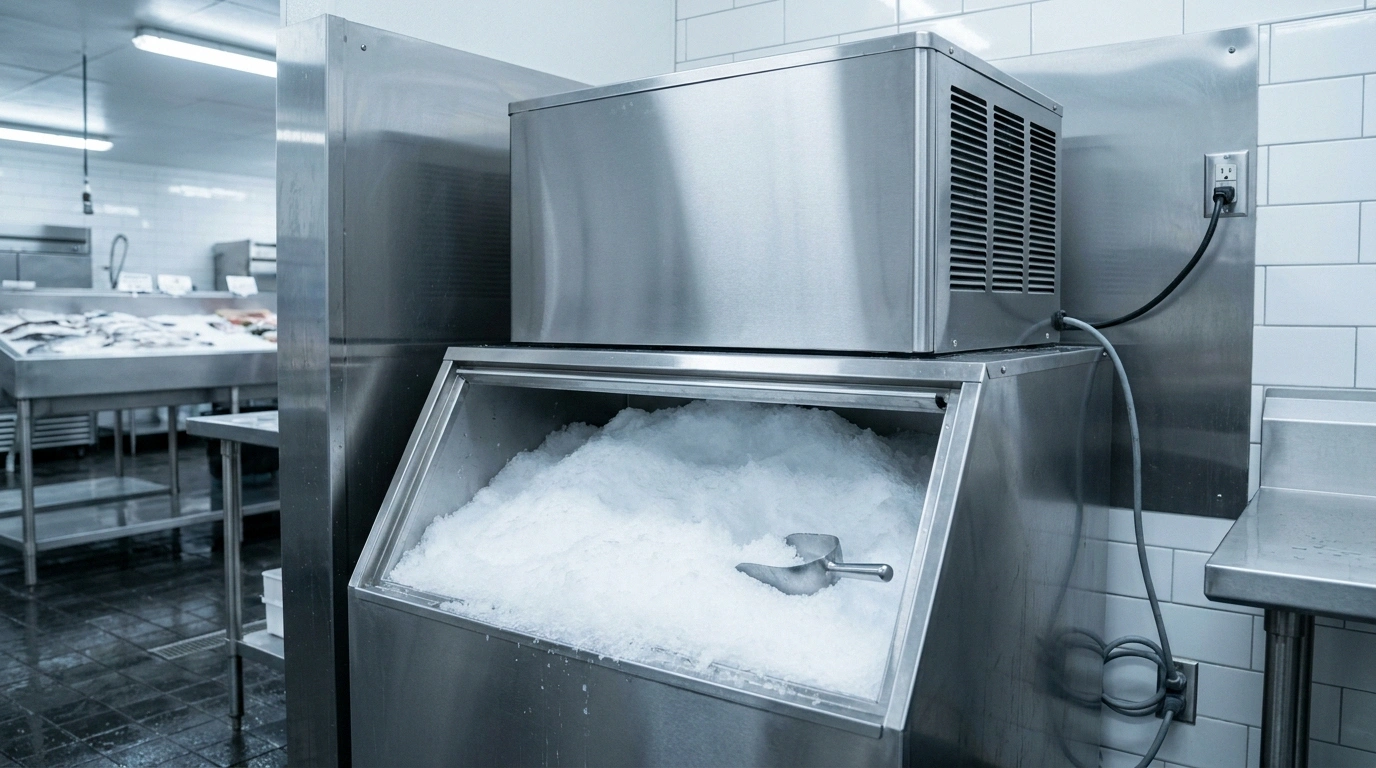
Three additional Washington-specific demand vectors are worth flagging. The state’s coffee and cafe density — Starbucks is Seattle-headquartered, and the broader Pacific Northwest independent-cafe and roastery cluster is the densest in the country — concentrates demand for small-format ice (countertop and undercounter modular units) tuned to espresso-bar and cold-brew service rather than full-line modular bin systems. The Washington wine industry, the country’s second-largest by volume, contributed $9.5 billion to the state economy in 2024 across 1,069 wineries (135 in the Walla Walla AVA alone) per the Washington Tasting Room special report — every tasting room and cellar door needs ice for service, paired-flight presentations, and shoulder-season private events. And the Seattle / King County tech corridor (Amazon, Microsoft, the broader corporate cafe and meeting-center foodservice contractor base) runs a steady-state Monday-to-Friday ice demand pattern that’s structurally different from the weekend-and-summer peak that drives the gateway-town and cruise-port corridors.
Start Your Free Washington Quote Comparison
Takes about 60 seconds. Tell us what you need and we’ll handle the supplier outreach.
How the Quote Match Works in Washington
|
1. Tell us what you need Daily ice requirement, your industry, buy/lease/rent preference, and where in Washington the machine will live. About 60 seconds. |
2. Washington suppliers compete Your request goes to commercial ice machine suppliers serving your area. They respond with priced options matched to your need — typically within 24 hours. |
3. You pick the best fit Compare prices, terms, warranty, and delivery side-by-side. Choose the supplier that fits — or walk away. The service is free either way. |
Equipment from leading manufacturers
Hoshizaki · Manitowoc · Scotsman · Ice-O-Matic · Follett · Maxx Ice
Washington Metros We Cover
Our supplier network covers commercial ice machine installs across Washington — Seattle and the King / Pierce / Snohomish County corridor, Spokane and the eastern half of the state, the Tri-Cities (Kennewick / Pasco / Richland), Yakima and the wine-country valleys, Walla Walla, Wenatchee, Bellingham and the Whatcom County corridor, Olympia and Thurston County, Vancouver WA and Clark County, and Bremerton / Kitsap County. The page below has its own location-specific entry on Ice Maker Depot. If your location isn’t listed, enter your ZIP code in the form above and we’ll route your request to suppliers actively serving that area.
| Seattle → |
Common Questions From Washington Buyers
Does coastal versus east-of-Cascades climate change which type of ice machine I should buy in Washington?
Yes. The Cascade Range splits Washington into two operating bands for ice equipment. Coastal Western Washington — Seattle, Tacoma, Bellevue, Olympia, Bellingham — runs marine-mild July average highs in the mid-to-upper 70s per NOAA NCEI 1991-2020 normals, which keeps air-cooled commercial ice machines comfortably within spec year-round without much summer derate. East of the Cascades is a different machine: Spokane sits at 84°F July average high, Yakima and Walla Walla both at 90°F, and Kennewick at 91°F. For non-conditioned back-of-house spaces in those interior cities, suppliers will often recommend a water-cooled unit, a remote condenser, or sizing the air-cooled machine up to absorb the derate. Mention your location and the operating environment on the form so suppliers can spec accordingly.
Does the supplier network cover smaller Washington metros and the east-of-Cascades cities — Spokane, Tri-Cities, Yakima, Wenatchee, Bellingham, Olympia?
Yes. The Washington-side supplier network covers metros outside the Puget Sound corridor. Service to Spokane and Spokane Valley, the Tri-Cities (Kennewick / Pasco / Richland), Yakima, Wenatchee, Walla Walla, Bellingham, Olympia, Vancouver WA, Bremerton / Kitsap County, and the smaller corridor cities routes through the same form. Enter your ZIP code and we’ll match you with suppliers actively serving that area.
What ice form factor works best for a cafe or espresso bar in Washington?
Most Washington cafes and espresso bars run small-format ice — countertop or undercounter modular units — sized to a daily output that fits the rush window without taking up bar real estate. Cube ice for iced drinks and a smaller nugget or flake reservoir for cold-brew presentations is a common spec. If you’re outfitting a multi-shot espresso bar or a roaster’s tasting room, suppliers in the network can quote both the head unit and a paired storage bin. Note the cup volume and the operating window on the form so suppliers can match a configuration that fits the counter.
What about commercial ice machine service or repair in Washington — is that part of the quote?
Ice Maker Depot connects buyers with suppliers for new and used equipment quotes, including lease and rental arrangements where ongoing service is bundled into the monthly payment. Standalone repair of an existing machine is not part of the quote-comparison service, but several Washington-side suppliers sell equipment under service contracts that cover preventive maintenance, cleaning, and repair — note that in the form if you want suppliers who can wrap service into the deal.
Should you buy, lease, or rent a commercial ice machine?
It depends on how hard you run the machine and how you want to handle the cost. Buying tends to have the lowest long-run cost when a unit runs year-round and you can cover its own maintenance. Leasing spreads the cost into predictable monthly payments and often bundles service, repairs, and cleaning into the agreement — a common choice for restaurants and bars that want to preserve capital. Renting fits short-term, seasonal, or trial needs. Operating cost matters too: energy use, water use, and upkeep vary by machine type and by whether the unit is air-cooled or water-cooled. Tell us whether you want to buy, lease, or rent on the form and suppliers in Washington will quote the options that fit, so you can compare side by side before deciding.
Is the quote service really free?
Yes. There is no charge to compare quotes through Ice Maker Depot. Suppliers pay us when they connect with new buyers — you never pay for the service or for the quotes themselves.
What if you are not sure what size machine you need?
Suppliers will help size the machine to your daily ice demand and the available space. If you are early in the process, our commercial ice maker buyer’s guide covers daily ice output by industry, undercounter vs modular tradeoffs, and water-cooled vs air-cooled selection — read it before you submit if you want a head start.
Ready to compare commercial ice machine quotes in Washington?
Free service. No obligation. Typical response within 24 hours.