
Alaska Coverage · Free Quote Comparison

Commercial Ice Machines in Alaska — Buy, Lease & Rent

Tell us what your Alaska operation needs — daily ice volume, industry, and where the machine will live. We’ll route your request to commercial ice machine suppliers covering your area so you can compare priced options side-by-side instead of chasing quotes one supplier at a time.

No obligation. No purchase required. Suppliers respond within 24 hours.

10+

Years Matching Buyers & Suppliers

50

States Served Nationwide

24 hrs

Typical Supplier Response Time

Free

No Cost & No Obligation

Ice Demand Across Alaska

Snow-capped Denali peak glowing at sunset above spruce forest and tundra ponds in interior Alaska
Denali, the highest peak in North America, catches golden-hour alpenglow above the autumn tundra of Alaska’s interior.

Alaska’s commercial ice demand runs across several streams, and one of them is unlike any other state. Foodservice is the steady base: the U.S. Bureau of Labor Statistics counts about 1,565 food-service and drinking establishments operating statewide in 2024, employing roughly 22,000 people, alongside about 580 accommodation businesses employing more than 8,500 (per the U.S. Bureau of Labor Statistics, QCEW, 2024). Health care adds a separate, year-round buying pattern, with the same source recording nearly 49,700 health-care and social-assistance workers across the state. Then comes the stream that defines Alaska: commercial seafood. Alaska is the largest seafood-producing state in the country — roughly 60 percent of the national harvest by volume, on the order of 5 billion pounds of wild seafood a year per the U.S. Department of Commerce and the Alaska Seafood Marketing Institute — and the state’s seafood-processing sector alone employs about 7,400 people across roughly 148 establishments. On top of all of that, a summer visitor surge of about 2,702,900 people in 2024, roughly two-thirds of them arriving by cruise ship per the Alaska Travel Industry Association, stacks a heavy seasonal load onto coastal kitchens. It adds up to a deeper, more specialized ice market than the state’s population would suggest.

Gloved hand scooping cubed ice with a metal scoop from a built-in stainless bar ice well into clear glasses at an Alaska lodge bar
A bartender scoops cubed ice into glasses at a coastal Alaska seafood-house bar during evening service.

Alaska’s climate flips the usual equipment logic. Summers here are cool, not hot — NOAA NCEI 1991-2020 normals put July average highs at just 72°F in Fairbanks, 67°F in Anchorage, and 64°F in Juneau. Because cool ambient air helps an air-cooled condenser shed heat rather than fight it, the summer-heat derate that forces hot-climate operators toward water-cooled or oversized units is rarely the binding constraint in Alaska — close to the opposite of a Phoenix or Houston back-of-house. The defining equipment question here is the ice form. Alaska’s commercial seafood and fish-processing operations rely heavily on flake ice to chill, pack, and display fresh catch and to hold the cold chain, which makes flake-ice machines a workhorse across the state’s coastal foodservice and processing base. Flake ice packs tightly around whole fish, pulls heat out fast, and is the standard for seafood display and transport, so the right specification for a great many Alaska buyers starts with flake output and storage rather than with cooling method. A machine spec’d for a road-system cafe is not automatically the right machine for a coastal processing line.

Stainless commercial flake-ice machine dispensing soft granular flake ice into a bin next to whole fish packed in flake ice in a coastal Alaska fish-processing room
A commercial flake-ice machine fills a bin beside fresh whole salmon bedded in flake ice on an Alaska seafood-processing line.

Seasonality and geography shape Alaska demand more than in most states. The coastal and Inside Passage gateway towns — Juneau, Ketchikan, Sitka, and Skagway — see demand concentrate hard between May and September, when the bulk of the state’s roughly 2.7 million summer visitors arrive and Juneau alone handles close to 1.7 million cruise passengers per the Alaska Travel Industry Association. The seafood side runs on its own clock too, with flake-ice demand on the harvest and processing base rising and falling with the fishing seasons. Layered over both is Alaska’s remote logistics: it is the largest state by area with limited road connectivity, and many communities — including the capital, Juneau, and most Southeast towns — are reachable mainly by barge or air freight, with long distances between hubs. Mentioning your peak-season volume, your application, and your exact location on the form helps suppliers spec equipment that holds up in season and plan a realistic delivery path to where you actually operate.

Start Your Free Alaska Quote Comparison

Takes about 60 seconds. Tell us what you need and we’ll handle the supplier outreach.

How the Quote Match Works in Alaska

1. Tell us what you need

Daily ice requirement, your industry, buy/lease/rent preference, and where in Alaska the machine will live. About 60 seconds.

2. Alaska suppliers compete

Your request goes to commercial ice machine suppliers serving your area. They respond with priced options matched to your need — typically within 24 hours.

3. You pick the best fit

Compare prices, terms, warranty, and delivery side-by-side. Choose the supplier that fits — or walk away. The service is free either way.

Equipment from leading manufacturers

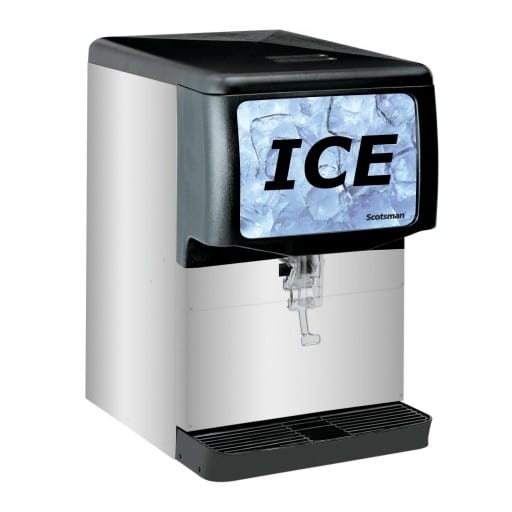
Hoshizaki  ·  Manitowoc  ·  Scotsman  ·  Ice-O-Matic  ·  Follett  ·  Maxx Ice

Alaska Metros We Cover

Major commercial ice machine demand in Alaska concentrates around Anchorage, Fairbanks, and the capital, Juneau, along with Wasilla in the Matanuska-Susitna Valley and the Kenai Peninsula communities of Kenai and Soldotna. The coastal and Inside Passage seafood and cruise towns — Sitka, Ketchikan, and Kodiak — carry their own specialized flake-ice and seasonal demand. Our supplier network covers buyers across these areas and the surrounding boroughs. Enter your ZIP code in the form above and we’ll route your request to suppliers actively serving that location.

Common Questions From Alaska Buyers

Does Alaska’s cool climate change which type of commercial ice machine I should buy?

It does, but not in the way hot-state operators expect. Alaska summers are cool — July average highs run 72°F in Fairbanks, 67°F in Anchorage, and 64°F in Juneau per NOAA NCEI 1991-2020 normals. Cool ambient air actually helps an air-cooled condenser reject heat, so the summer-heat derate that drives equipment choice in places like Arizona or Texas is rarely the binding constraint here — close to the opposite. The defining ice question in Alaska is usually the ice form, not the cooling method. The state’s commercial seafood and fish-processing operations lean heavily on flake ice to chill, pack, and display fresh catch and to hold the cold chain, which makes flake-ice machines a workhorse across Alaska’s coastal foodservice and processing base. Tell us your application and your daily ice volume on the form so suppliers can match the right ice type and capacity.

Can I get flake-ice machine quotes for Alaska seafood and fish-processing operations?

Yes — and it is one of the most common Alaska requests. Alaska is the largest seafood-producing state in the country, accounting for roughly 60 percent of the national harvest by volume and landing on the order of 5 billion pounds of wild seafood a year per the U.S. Department of Commerce and the Alaska Seafood Marketing Institute, and the U.S. Bureau of Labor Statistics counts about 7,400 seafood-processing workers across roughly 148 establishments statewide in 2024. Flake ice is the workhorse ice form for that sector because it packs tightly around whole fish, chills fast, and holds fresh catch through processing, display, and transport. Suppliers in the network can quote flake-ice machines and paired storage for processors, fish markets, and seafood-forward restaurants. Note your daily ice volume and the application on the form so suppliers can size the unit correctly.

Do suppliers cover the summer cruise and tourism gateway towns like Juneau, Ketchikan, and Sitka?

Yes. The Alaska supplier network covers the coastal and Inside Passage gateway towns that carry the summer cruise surge — Juneau, Ketchikan, Sitka, and Skagway — alongside the road-system metros. Alaska drew about 2,702,900 visitors in summer 2024, with roughly two-thirds arriving by cruise ship per the Alaska Travel Industry Association, and Juneau alone handled close to 1.7 million cruise passengers. Restaurants, bars, lodges, and visitor-facing kitchens in those towns typically need capacity sized for their busiest summer week, not a steady-state winter average. Mention your peak-season ice volume on the form so suppliers can spec the machine with the right headroom.

How does delivery and freight work for commercial ice machines in remote Alaska locations?

Most Alaska buyers hear back within 24 hours regardless of location. Alaska is the largest state by area with limited road connectivity, and many communities — including Juneau and most Southeast and Inside Passage towns — are reachable mainly by barge or air freight, so delivery and install windows depend heavily on the destination and the equipment. Some suppliers operate from Alaska hubs such as Anchorage and Fairbanks; others serve the state from regional offices, which is normal given the distances involved. The quote itself will land fast. Ask about lead time, freight method, and install scheduling in your supplier follow-ups before you commit.

Should you buy, lease, or rent a commercial ice machine?

It depends on how hard you run the machine and how you want to handle the cost. Buying tends to have the lowest long-run cost when a unit runs year-round and you can cover its own maintenance. Leasing spreads the cost into predictable monthly payments and often bundles service, repairs, and cleaning into the agreement — a common choice for restaurants and bars that want to preserve capital. Renting fits short-term, seasonal, or trial needs. Operating cost matters too: energy use, water use, and upkeep vary by machine type and by whether the unit is air-cooled or water-cooled. Tell us whether you want to buy, lease, or rent on the form and suppliers in Alaska will quote the options that fit, so you can compare side by side before deciding.

Is the quote service really free?

Yes. There is no charge to compare quotes through Ice Maker Depot. Suppliers pay us when they connect with new buyers — you never pay for the service or for the quotes themselves.

What if you are not sure what size machine you need?

Suppliers will help size the machine to your daily ice demand and the available space. If you are early in the process, our commercial ice maker buyer’s guide covers daily ice output by industry, undercounter vs modular tradeoffs, and water-cooled vs air-cooled selection — read it before you submit if you want a head start.

Ready to compare commercial ice machine quotes in Alaska?

Free service. No obligation. Typical response within 24 hours.

Use the Form Above to Start →